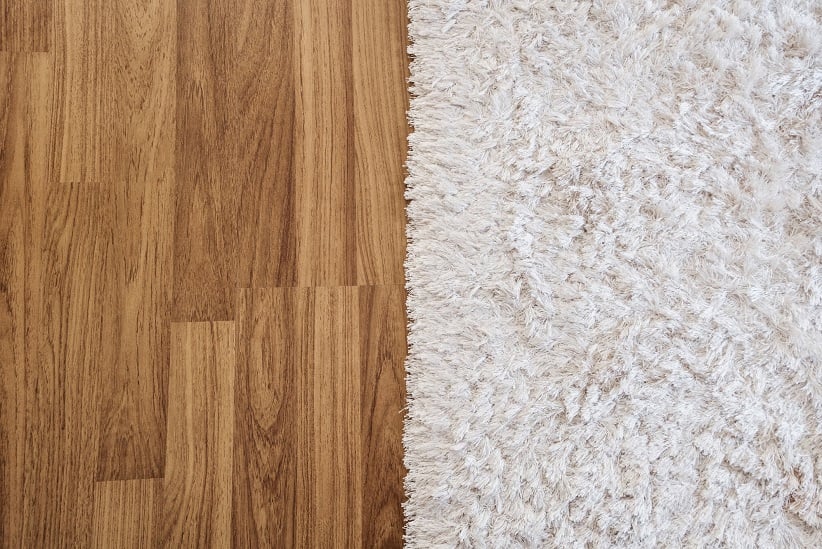
carpet to hardwood Flooring transitions are essential for both aesthetics and safety. Improper transitions between carpets and hardwood floors can lead to uneven surfaces, tripping hazards, and accelerated wear on your flooring. Whether you are remodeling a room, installing new flooring, or combining different textures in your home, understanding how to seamlessly transition from plush carpets to hardwood or tile floors is crucial. Tripex Enterprises Limited, a trusted supplier of flooring solutions in Nairobi, Mombasa, Kisumu, Eldoret, and countrywide, offers expert advice and products to ensure perfect transitions.
Why Floor Transitions Matter
Floor transitions serve both practical and aesthetic purposes:
-
Safety: Proper transitions reduce trip hazards caused by uneven heights.
-
Durability: Protects carpet edges and hardwood from fraying or chipping.
-
Visual Appeal: Creates a clean, professional look between different flooring types.
-
Moisture Protection: Prevents spills from seeping under carpet edges or hardwood boards.
Using quality transition products such as floor transition strips ensures a smooth, long-lasting finish while complementing your interior design.
Types of Carpet to Hardwood Transitions
There are several ways to transition between carpet and hardwood floors, depending on the height difference, traffic level, and design preference:
1. T-Molding Transition
-
Ideal for floors of equal height or slight height difference.
-
T-shaped profile sits between the carpet and hardwood, creating a seamless bridge.
-
Commonly used for living rooms and hallways.
2. Reducer Strip Transition
-
Used when hardwood floors are lower than the carpet.
-
Sloped profile prevents abrupt height changes.
-
Protects carpet edges from fraying.
3. Threshold or Overlap Strip
-
Decorative metal, wood, or laminate strips that overlap both surfaces.
-
Suitable for high-traffic areas like entryways or kitchens.
-
Provides a clean finish while protecting carpet and hardwood edges.
4. Carpet Binding or Edge Gripper
-
Carpet edge is folded under a metal or rubber gripper.
-
Provides a secure, neat finish where carpet meets hardwood.
-
Works well with plush carpets like Turkish Shaggy 5 by 8 Carpets or Silken Touch Carpets.
Step-by-Step Guide to Installing a Carpet to Hardwood Transition
Step 1: Measure the Transition Area
-
Measure the length of the area where the carpet meets hardwood.
-
Note any height differences between the two surfaces.
-
Choose the correct transition type based on the measurement and height difference.
Step 2: Prepare the Floors
-
Ensure both carpet and hardwood surfaces are clean, dry, and free of debris.
-
Trim the carpet edge for a neat fit. For wall-to-wall installations, products like Non-Woven Carpets are easier to manage.
-
Check the hardwood boards for loose sections and secure if necessary.
Step 3: Select the Transition Strip
-
Choose a strip that matches both flooring styles in height, material, and color.
-
Tripex provides various options, including PVC, rubber, and wood transition strips.
Step 4: Install the Strip
-
Place the transition strip at the meeting point of carpet and hardwood.
-
If using a T-molding or reducer, ensure it sits flush with both surfaces.
-
Nail, screw, or glue the strip according to manufacturer instructions.
-
Use a rubber mallet to secure strips without damaging hardwood.
Step 5: Secure Carpet Edges
-
Fold carpet edge under the gripper or tuck into the transition strip groove.
-
Avoid gaps that may catch feet or furniture.
-
Check that the carpet remains tight and wrinkle-free after installation.
Tips for Perfect Transitions in Kenyan Homes
-
Consider Traffic Levels: High-traffic areas require durable transition strips to prevent wear.
-
Climate Adaptation: Coastal humidity may require moisture-resistant strips, while highland homes like Eldoret may benefit from thermal-resistant materials.
-
Safety: Ensure edges are flush to prevent trips, particularly in households with children.
-
Aesthetics: Choose strips that complement both carpet and hardwood color schemes.
-
Professional Advice: Tripex’s team provides guidance on the best transition solutions for specific carpets like Wall-to-Wall Carpets and hardwood combinations.
Common Mistakes to Avoid
-
Ignoring Height Differences: Using a flat strip where surfaces differ can create a tripping hazard.
-
Loose Strips: Improper attachment causes movement, damaging both carpet and hardwood.
-
Wrong Material: Using soft strips in high-traffic areas leads to early wear.
-
Skipping Carpet Preparation: Uneven or untucked edges reduce durability and aesthetics.
-
Overlooking Safety: Sharp edges or gaps can cause injuries.
Correcting these mistakes ensures a smooth, safe, and visually appealing transition.
Maintenance Tips for Transition Areas
-
Regular Cleaning: Vacuum carpet edges and wipe hardwood surfaces.
-
Check Strip Stability: Ensure nails, screws, or adhesive remain secure.
-
Spot Repair: Replace or adjust strips if loosening occurs.
-
Protect Edges: Use mats or rugs in high-traffic zones to reduce wear.
Tripex also offers Anti-Slip Round Stud Circular Coin Mats to enhance safety around transitions in homes with children or elderly occupants.
Tripex Enterprises Limited: Your Flooring Transition Experts
Tripex Enterprises Limited is a trusted supplier of carpets, hardwood, underlay, and flooring solutions in Kenya. Homeowners benefit from:
-
Expert Guidance: Choosing the right floor transition strips and installation techniques.
-
Wide Product Range: From plush Turkish Shaggy Carpets to durable wall-to-wall and commercial carpets.
-
Countrywide Delivery: Same-day delivery in Nairobi; next-day to Mombasa, Kisumu, Eldoret, and beyond.
-
Installation Support: Step-by-step assistance for flawless, safe transitions.
Contact Tripex Today:
-
Email: info@tripex.co.ke
-
Call/WhatsApp: +254 722 692 389 | +254 722 692 388
-
Showroom: Accra Road, Nairobi, Kenya
-
Website: https://tripex.co.ke/
Related Products & Resources
-
Wall-to-Wall Carpets – Works seamlessly with transition strips.
-
Non-Woven Carpets – DIY-friendly and easy to trim.
-
Silken Touch Carpets – Luxurious carpets that require precise transitions.
-
Rubber Floor Tiles and Sheets – Adds stability to transition zones.
-
Artificial Grass Carpets – Creative indoor/outdoor solutions with smooth transitions.
