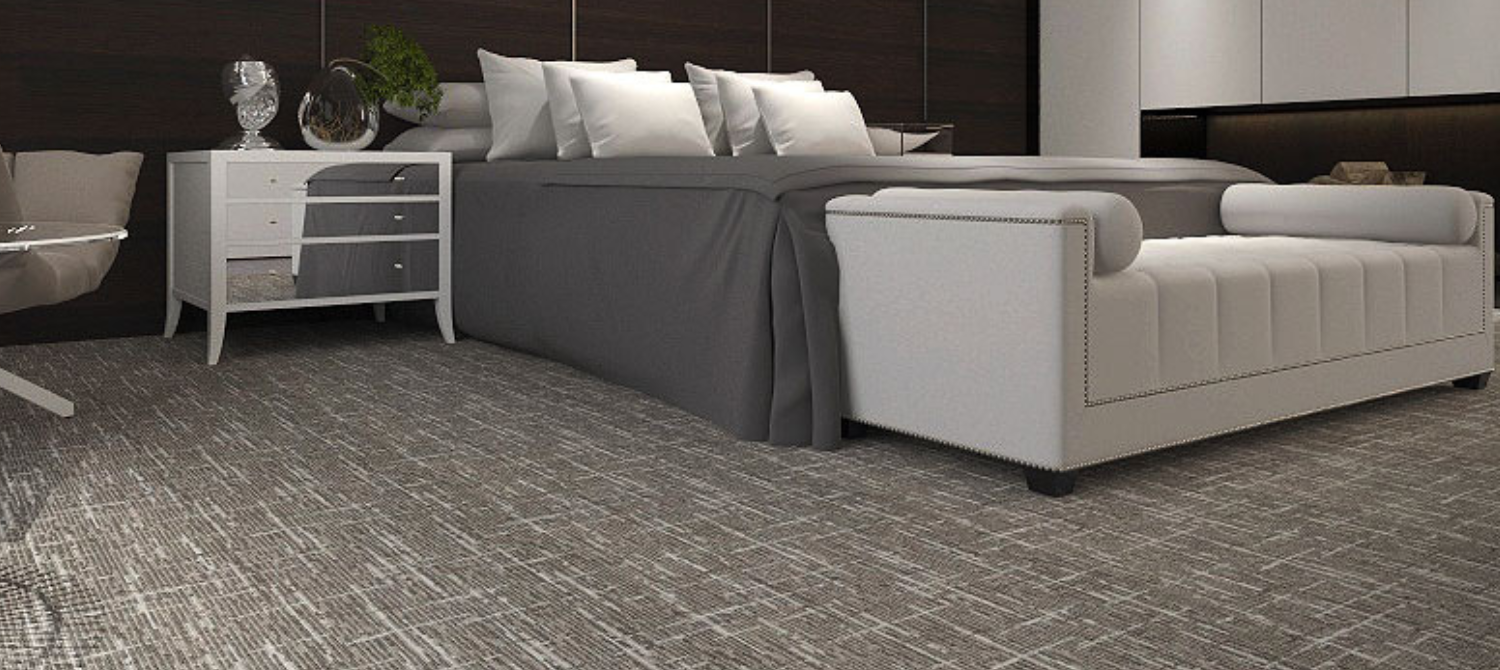
When renovating or furnishing a home, most people focus on color, texture, and price. However, one critical factor often overlooked is indoor air safety. Many carpets release chemical compounds known as VOCs, which can affect indoor air quality and overall health. Understanding carpet VOCs and choosing non-toxic carpets is essential, especially for families with children, elderly individuals, or anyone with respiratory sensitivities.
In Kenya, where urban apartments in Nairobi, humid coastal homes in Mombasa, and growing commercial developments across Kisumu and Eldoret demand safe interior materials, selecting low-emission flooring is increasingly important. This guide explains what VOCs are, how they affect your family’s health, and how to confidently choose non-toxic carpets for your next renovation.
What Are VOCs in Carpets?
VOCs (Volatile Organic Compounds) are chemicals that easily evaporate into the air at room temperature. In carpets, VOCs can originate from:
-
Synthetic fibres
-
Carpet backing materials
-
Adhesives used during installation
-
Chemical treatments such as stain resistance
-
Dyes and finishing agents
When carpets are newly installed, VOCs may release gases in a process called off-gassing. This is often noticeable as a “new carpet smell.” While some emissions decrease over time, prolonged exposure in poorly ventilated spaces can affect indoor air quality.
How Carpet VOCs Affect Health
Short-term exposure to high VOC levels may cause:
-
Headaches
-
Dizziness
-
Eye, nose, or throat irritation
-
Respiratory discomfort
-
Allergic reactions
Long-term exposure to certain chemical compounds may increase health risks, especially in children and pets who spend more time close to the floor surface.
In densely populated areas like Nairobi apartments or enclosed office spaces, limited airflow can concentrate indoor pollutants. This makes choosing non-toxic carpets especially important.
Why Non-Toxic Carpets Matter in Kenya
Kenyan homes experience unique environmental conditions:
-
Dust accumulation in urban centers
-
High humidity in coastal regions
-
Rapid urban construction with limited ventilation planning
-
Increased use of sealed windows for security
These factors can trap indoor pollutants. Non-toxic carpets reduce chemical exposure and contribute to healthier indoor air.
At Tripex Enterprises Limited, carpet options are selected with durability, safety, and Kenyan climate conditions in mind.
Explore available options here:
https://tripex.co.ke/carpets-in-kenya/
Identifying Non-Toxic Carpet Materials
Choosing safer flooring begins with understanding fibre composition and manufacturing processes.
1. Polypropylene Carpets
Polypropylene is one of the most commonly used synthetic fibres. It is:
-
Durable
-
Stain-resistant
-
Moisture-resistant
-
Generally low in VOC emissions when manufactured responsibly
For commercial and high-traffic applications:
https://tripex.co.ke/product/polypropylene-commercial-carpets/
Durability reduces frequent replacement, which also limits repeated chemical exposure.
2. Wool Carpets
Wool is a natural fibre with excellent indoor air performance.
Benefits include:
-
Naturally low chemical treatment requirements
-
Resistance to dust mites
-
Humidity regulation
-
Biodegradability
Premium woven options:
https://tripex.co.ke/product/wilton-carpets-in-kenya/
Wool carpets are particularly suitable for family homes prioritizing natural materials.
3. Low-VOC Wall-to-Wall Carpets
For full installations, it is important to select carpets designed with minimal emissions.
Example:
https://tripex.co.ke/product/charcoal-grey-wall-to-wall-carpet-best-price/
Wall-to-wall carpets provide insulation and sound absorption, but must be installed with safe adhesives and proper ventilation.
Explore installation options:
https://tripex.co.ke/product/wall-to-wall-carpet-in-kenya/
The Role of Carpet Backing and Adhesives
Even if carpet fibres are low-emission, backing materials and adhesives can release VOCs.
To minimize exposure:
-
Choose carpets with integrated backing systems.
-
Request low-VOC adhesives during installation.
-
Ensure proper curing time before occupying the space.
-
Maintain ventilation for several days post-installation.
Proper installation significantly reduces long-term indoor air risks.
Installation Best Practices for Reducing VOC Exposure
In Kenyan homes and offices, safe installation is critical.
Follow these steps:
-
Schedule installation during warm, dry weather to enhance ventilation.
-
Open windows and doors for cross-ventilation.
-
Avoid immediate occupation for 24–72 hours if possible.
-
Use air purifiers during the off-gassing period.
-
Avoid harsh chemical cleaning immediately after installation.
For maintenance guidance:
https://tripex.co.ke/carpet-cleaning-and-maintenance/
Comparing Carpets and Alternative Low-Emission Flooring
Some homeowners consider switching to vinyl or laminate options for perceived lower emissions. However, quality matters.
Explore luxury vinyl benefits:
https://tripex.co.ke/benefits-luxury-vinyl-tiles-lvt-modern-homes/
High-quality vinyl options:
https://tripex.co.ke/product/gerflor-creation-55-design-vinyl-ballerina/
https://tripex.co.ke/product/gerflor-creation-55-trend-vinyl-plank-18-4×121-9cm-royal-oak-coffee/
Laminate flooring options:
https://tripex.co.ke/product-category/wood-and-laminate-flooring/
Low-emission flooring depends on manufacturer standards rather than simply material type.
Carpet Durability and Sustainability
A key factor in reducing overall VOC exposure is durability. Frequent carpet replacement increases chemical exposure cycles.
Learn more about lifespan considerations:
https://tripex.co.ke/durability-of-carpets-in-kenya-how-long-should-a-good-carpet-last-tripex-enterprises/
Long-lasting carpets:
-
Reduce landfill waste
-
Lower lifetime cost
-
Minimize repeated off-gassing cycles
Sustainable flooring is both environmentally responsible and healthier indoors.
Cost of Non-Toxic Carpets in Kenya
Non-toxic carpets may cost slightly more due to:
-
Higher-quality materials
-
Safer manufacturing processes
-
Enhanced durability
However, long-term benefits include:
-
Reduced medical risks
-
Fewer replacements
-
Better resale value of property
-
Improved comfort
For updated pricing guidance:
https://tripex.co.ke/cost-of-carpets-in-kenya/
Investing in safe materials is a long-term health decision.
Interior Design Without Compromising Air Quality
Non-toxic carpets are available in modern designs suitable for:
-
Contemporary Nairobi apartments
-
Coastal villas
-
Corporate offices
-
Hospitality spaces
Design inspiration:
https://tripex.co.ke/interior-design-carpets-kenya/
You do not have to sacrifice aesthetics to prioritize health. Modern manufacturing allows for stylish, durable, and safer flooring solutions.
Signs You Should Replace a Carpet
Even low-emission carpets should be replaced if:
-
Persistent mold smell develops
-
Backing deteriorates
-
Water damage occurs
-
Severe staining cannot be cleaned
When upgrading, consult professional suppliers for safe alternatives.
Explore options:
https://tripex.co.ke/shop/
Why Choose Tripex Enterprises Limited
Tripex Enterprises Limited has supplied flooring solutions across Nairobi and beyond for years. Understanding Kenyan climate conditions and installation standards allows for careful product selection that balances durability, safety, and performance.
About us:
https://tripex.co.ke/about-us/
Full product range:
https://tripex.co.ke/
Whether furnishing a residential apartment in Kilimani, an office in Westlands, or a hotel in Mombasa, selecting non-toxic carpets ensures safer indoor environments.
Delivery and Contact Information
Tripex Enterprises Limited
Email: info@tripex.co.ke
Call/WhatsApp: +254 722 692 389 | +254 722 692 388
Showroom: Accra Road, Nairobi, Kenya
Website: https://tripex.co.ke/
Countrywide Deliveries:
Same-day delivery within Nairobi.
Next-day delivery to Mombasa, Kisumu, Eldoret, Nakuru, Thika, Nyeri, Machakos, Kitale, Kericho, and other towns across Kenya.
Conclusion
Understanding carpet VOCs empowers homeowners to make informed flooring decisions. Non-toxic carpets improve indoor air quality, reduce health risks, and contribute to safer living spaces. By selecting durable materials, ensuring proper installation, and maintaining carpets responsibly, Kenyan families can enjoy both comfort and clean indoor air.
Health-conscious flooring is not just a trend. It is a responsible investment in your family’s well-being and long-term property value.
